
Microneedling vs Morpheus8: Two Different Needles, Two Different Categories
Last updated: August 25, 2026
These are sold as two versions of the same treatment. In the FDA’s own classification system they sit in two different product codes under two different regulations, and the difference is not marketing.[1][2]
Traditional microneedling is regulated as a powered microneedle device, defined as using needles to mechanically puncture and injure skin tissue. Morpheus8 adds radiofrequency energy and is cleared as an electrosurgical cutting and coagulation device. One makes channels. The other makes channels and then heats the tissue around them. That is the entire difference, and it decides everything else.
People arrive asking which is better. That is the wrong question, because they are aimed at different depths and different problems, and one of them costs considerably more for reasons that are real.
- Microneedling devices sit under product code QAI, “Powered Microneedle Device,” 21 CFR 878.4430, Class II.[1]
- The FDA definition is blunt: a device using needles “to mechanically puncture and injure skin tissue for aesthetic use.”[1]
- Morpheus8 sits under GEI, “Electrosurgical, Cutting & Coagulation,” 21 CFR 878.4400 (K231790, K192695).[2]
- Neither category is called “skin tightening.” Read the code, not the brochure.[1][2]
- Both are intended to act below the epidermis, which is where Virginia’s scope questions start.[3]
What Each One Is Actually Registered As
Two product codes, two regulations. QAI covers powered microneedle devices under 878.4430. GEI covers electrosurgical cutting and coagulation under 878.4400. The Morpheus8 applicators are cleared under the second, not the first, because radiofrequency energy changes what the device is.
This is checkable in about two minutes, which is why it is worth doing before you spend four figures.
Traditional microneedling. The FDA classification for product code QAI reads:[1]
Device name: “Powered Microneedle Device”
Definition: “A powered microneedle device is a device using one or more needles to mechanically puncture and injure skin tissue for aesthetic use.”[1]
Cleared examples include K180778, K221070, K230420 and K243800, all under QAI.[1]
Morpheus8. The InMode system with Morpheus8 applicators is cleared under K231790 (2023) and K192695 (2019), both product code GEI, which the classification database describes as “Electrosurgical, Cutting & Coagulation & Accessories” under 21 CFR 878.4400.[2]
Note what neither classification says. Neither is called a skin tightening device. We worked through what that means in our guide to Morpheus8 in Oakton, and the same discipline applies to every device on every menu.
Not sure which of the two your skin actually needs? That is a five minute conversation.
What the Radiofrequency Actually Adds
Plain microneedling creates controlled micro-injuries and lets healing do the rest. Adding radiofrequency delivers heat through the needles into the surrounding tissue, which is a second mechanism on top of the first. More mechanism means more effect, more discomfort, more cost and more that can go wrong in untrained hands.
Strip the marketing and the physics is simple.
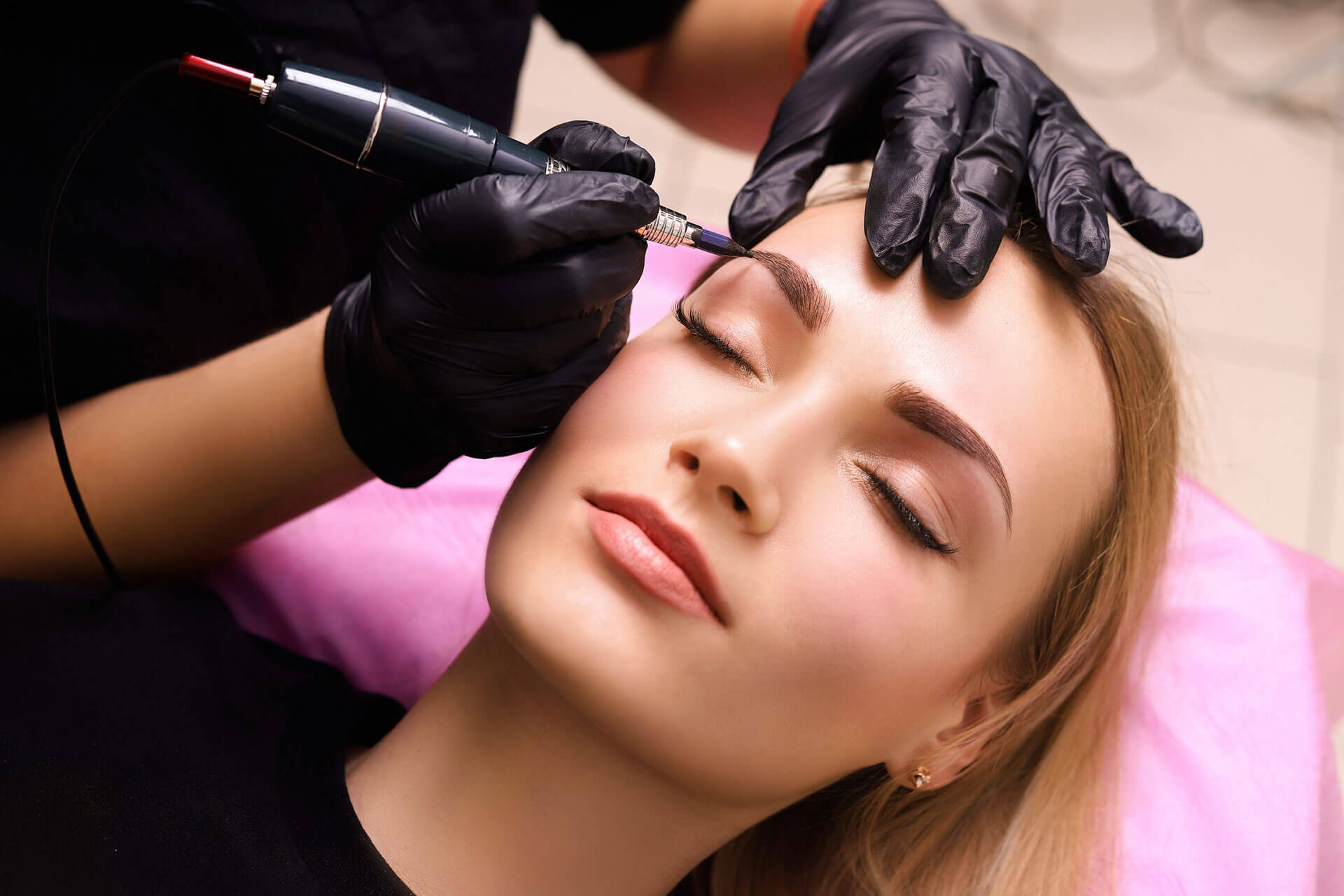
A microneedling pen drives fine needles into the skin to a set depth, creating columns of controlled injury. The skin responds to injury by repairing, and the repair is the point. That is why the FDA definition uses the words puncture and injure rather than something gentler. It is an honest description.
Radiofrequency microneedling does the same thing and then passes energy through the needle tips, heating tissue at depth. That is why it is regulated as an electrosurgical cutting and coagulation instrument rather than as a puncturing one.
| Microneedling | RF microneedling | |
|---|---|---|
| FDA product code | QAI | GEI |
| Regulation | 21 CFR 878.4430 | 21 CFR 878.4400 |
| Category name | Powered Microneedle Device | Electrosurgical, Cutting & Coagulation |
| Mechanism | Mechanical injury only | Mechanical injury plus heat |
| Typical use case | Texture, pores, early scarring | Laxity and deeper textural change |
| Cost and downtime | Lower | Higher |
Which One Suits Which Problem
If the concern is surface texture, enlarged pores or early scarring, plain microneedling is usually the proportionate purchase. If the concern is laxity, the heat is the reason to pay more. Buying the more expensive option for a surface problem is the most common overspend in this category.
Here is how I actually sort it at consultation.
| What you are describing | The proportionate choice |
|---|---|
| Rough texture, visible pores, dullness | Microneedling. Do not pay for heat you do not need |
| Shallow acne scarring | Microneedling first, reassess after a course |
| Early laxity along the jaw or neck | RF microneedling. This is what the heat is for |
| Deep static wrinkles, significant sagging | Neither is likely to satisfy you. Consider a surgical opinion |
| Active acne, eczema or broken skin | Neither, yet. Settle the skin first |
If loose skin over the body rather than the face is the concern, our comparison of fat versus loose skin works through that decision instead.
Both Go Below the Epidermis, So Ask the Scope Question
Virginia writes esthetics scope around the epidermis. A device whose stated purpose is to puncture skin tissue is not confined to that layer, so the supervision question applies to both treatments regardless of which product code they sit in.
We make this point in every post about a treatment that acts at depth, and it is the same point here.
Virginia defines a master esthetician as licensed for chemical exfoliation and microdermabrasion of the epidermis.[3] A powered microneedle device is defined by the FDA as puncturing and injuring skin tissue, which is not a description of an epidermis-only procedure.[1]
So ask, here and everywhere. Which device, which product code, what depth is the pen set to, who is performing it and who supervises. Our guide to what to ask before you book anywhere in Northern Virginia sets out the full list, and it applies to us.
Booking in Oakton
About Image Med Spa offers collagen-boosting microneedling and Morpheus8 in Oakton, minutes from Vienna and a short drive from Tysons, McLean, Fairfax, Reston and Herndon. The consultation establishes which problem you have before discussing which device answers it.
Call: (703) 944-4791
Serving Oakton, Vienna, McLean, Tysons, Fairfax, Reston, and Herndon.
Frequently Asked Questions
Tap a question to see the answer.
The Bottom Line
Microneedling and Morpheus8 are not two grades of one treatment. They are two device categories with two regulations and two mechanisms, and the second one exists because heat does something the needles alone do not.
Match the mechanism to the problem. Surface texture rarely needs heat. Laxity usually does. And whichever you choose, ask what it is actually cleared as rather than what the treatment menu calls it.
Bring your questions about depth, device and supervision. Those are the right ones.
This article is for general educational purposes and is not medical advice. Individual results vary. Regulatory database searches described here were performed on the date stated and reflect the records available at that time. Device clearances are specific to the manufacturer and system named in them. About Image Med Spa is a licensed aesthetic practice. Consult a licensed provider to determine whether a treatment is appropriate for you.
References
- U.S. Food and Drug Administration. Device classification, product code QAI, “Powered Microneedle Device,” 21 CFR 878.4430, Class II, and 510(k) clearances K180778, K221070, K230420 and K243800 under that code. Retrieved from the openFDA device APIs, August 25, 2026. accessdata.fda.gov
- U.S. Food and Drug Administration. 510(k) Premarket Notification K231790 and K192695, InMode System with the Morpheus8 Applicators, product code GEI; device classification GEI, “Electrosurgical, Cutting & Coagulation & Accessories,” 21 CFR 878.4400, Class II. Retrieved from the openFDA device APIs, August 25, 2026. accessdata.fda.gov
- Code of Virginia § 54.1-700. Definitions (Barbers and Cosmetologists). law.lis.virginia.gov
Keep Reading
More on the treatments this article covers
 Facials and TreatmentsThe Perfect Derma Peel in Oakton: What Is Actually In It, and What a Course Costs
 Facials and TreatmentsLaser Toenail Fungus Treatment in Oakton: What “Temporary Increase of Clear Nail” Really Means
 Facials and TreatmentsCryoSculpting vs Morpheus8 Body in Northern Virginia: Fat or Loose Skin?
 Facials and TreatmentsCollagen Banking: Why Building Collagen Early Protects Your Skin Later
 Facials and TreatmentsPRX Treatment in Oakton: Bio-Revitalization Without Needles or Downtime
- Facials and TreatmentsHead Spa and Scalp Treatments in Fairfax for Thinning Hair and Scalp Health
- Facials and TreatmentsHow to Choose a Med Spa in Northern Virginia: What to Ask Before You Book
- Facials and TreatmentsChemical Peels in McLean and Tysons: Choosing Depth Over Brand Name
Latest From the Journal
- Facials and TreatmentsThe Perfect Derma Peel in Oakton: What Is Actually In It, and What a Course Costs
- Facials and TreatmentsLaser Toenail Fungus Treatment in Oakton: What “Temporary Increase of Clear Nail” Really Means
- Facials and TreatmentsCryoSculpting vs Morpheus8 Body in Northern Virginia: Fat or Loose Skin?